
ENTREPRENEURSHIP STORIES
Consumer IoT is not an easy game — that’s what we discover.

Not a member? Click here to read the full story for free.
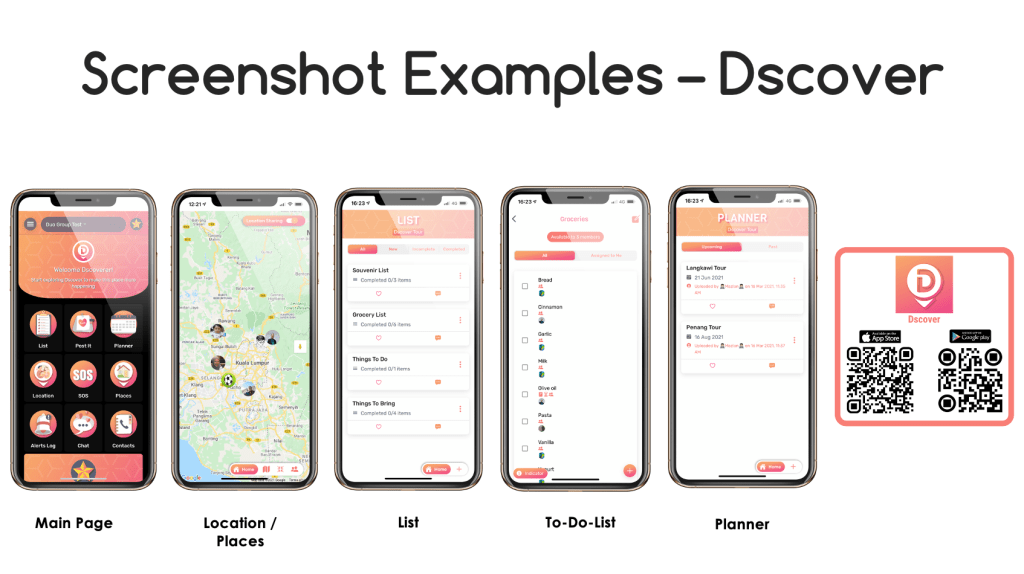
Each IoT product development journey is an odyssey filled with insights, challenges, and evolution. Today, I share the narrative of our fourth IoT venture, Dscover, and how it became a transformative segment of our IoT suite.
The Genesis of Dscover
The seeds for Dscover were sown amid the successful launch of our first IoT product, Raqib, in 2018. At this crossroads, feedback was not just a guide but a compass that pointed us toward innovation.
While Raqib was making strides, and as we progressed with Favorsense and the Favoriot IoT platform, there was a budding notion that it was time to chart a new path.
That’s when Dscover started to take shape.

Understanding the Underlying Need
With Raqib, we ventured into tracking solutions beyond the Bluetooth smartwatch and smartphone. Yet, it became clear that our users’ interests lay elsewhere.
They needed a different kind of tracking — one that provided safety and connectivity, especially while traveling. The market demanded a solution that prioritized security without compromising the freedom of the individual or group.
This was the crux that led to the ideation of Dscover.
Embracing Market Realities
Initially, our eyes were set on the bustling Travel and Tourism market. However, the onset of the pandemic in 2020 drastically altered the landscape and our strategies.
We had to pivot quickly, transforming Dscover into a tool for families and friends to stay connected despite global travel restrictions.

The Decision for an App-Centric Approach
Selecting a mobile application as the vessel for Dscover was strategic.
It was a nod to cost-effectiveness, leveraging existing smartphone technology, and aligning with the ease of deployment through app stores.
The aim was to create an unobtrusive yet powerful tool that users could integrate into their daily lives.
Tackling Go-to-Market Hurdles
The B2C model presented unique challenges, particularly in understanding and targeting user demographics through social media.
One stumbling block we encountered was the app’s initial name, “D’scover.” It proved problematic for searchability, leading us to the pivotal decision to rename it “Dscover.” (Note: Later, we observed that the spelling “Dscover” and how we pronounce it as “Discover” became a big misunderstanding in searching in the App store)
The initial B2B strategy targeted travel agencies and governments, but we widened our scope as the pandemic reshaped the world.
We even considered using Dscover for monitoring quarantined patients, an idea that, despite its potential, did not gain official traction.

Introspective Moments
This juncture compelled us to reflect — did we invest enough in marketing and sales for our existing products before venturing into another? It was a solemn reminder of the complexities inherent in product development within the IoT space.
Gleaning Lessons Along the Way
Adaptability Emerged as Key
The development of Dscover underscored the significance of market adaptability. The global changes of 2020 necessitated a shift from a travel-centric application to one that served families and friends, illustrating our ability to respond to macro-environmental shifts.
Valuing User Feedback
The feedback from our users was paramount. Their insights directly influenced the trajectory of Dscover, underscoring the need to align our product closely with the user’s desires and expectations.

The Art of Naming
A name is more than a label; it’s the first touchpoint with the user. The transition to “Dscover” was a calculated move to facilitate ease of search and foster brand recall. It was a lesson in the subtleties of product naming and its impact on visibility and accessibility.
The Need for Continuous Evaluation
Before plunging into new product waters, a thorough assessment of our existing products’ presence in the market became an evident necessity. Such evaluations and robust marketing and sales strategies are the bedrock of successful product evolution.
Carrying Forward the Insights
These lessons from Dscover are part of our collective wisdom as we forge ahead. They act as a direction that guides our product development, ensuring that our creations resonate with the market’s pulse and enrich our users’ lives.
Reflecting on this journey, I am reminded that each step, whether forward or backward, is a learning opportunity.
Through these experiences, we chart a course for success, navigating the intricate waters of IoT development with a keener sense of direction and a more refined vision for the future.
The story of Dscover is more than a chapter in our history; it’s a catalyst that propels us towards innovative horizons, ever ready to adapt, grow, and excel.


 Dr. Mazlan Abbas