
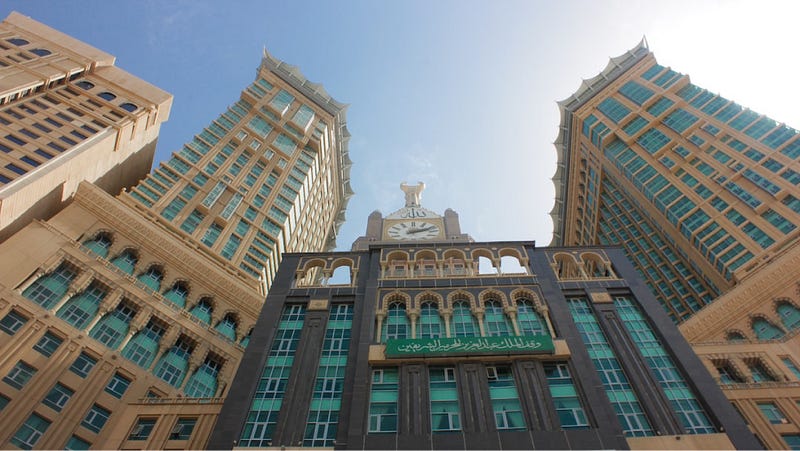
When we embarked on our startup journey in 2017, little did we know that our first IoT product, Raqib, would undergo such a transformative journey itself. Initially designed for the senior citizen market, we soon realized that Raqib had a far more significant role to play – assisting those embarking on the spiritual journey of Hajj. The Hajj market presented a unique set of challenges and opportunities that would test our mettle and reshape our product.
The Hajj Market: A Unique Opportunity
Our decision to target the Hajj market was informed by compelling reasons:
- Vast Pilgrimage Numbers: With over 2.3 million people performing Hajj annually, including around 30,000 from Malaysia, the demand for a comprehensive monitoring solution was evident.
- Diverse Language and Culture: The diverse backgrounds of pilgrims posed communication challenges during emergencies, making the need for a reliable solution even more critical.
- Navigation Challenges: The crowded nature of Hajj, coupled with the unfamiliarity of foreign places, often led to pilgrims going missing.
- Health Concerns: The harsh climate conditions during Hajj, with extreme heat and dust, raised the need for immediate assistance in case of sickness or fainting.
- Constant Monitoring: Many pilgrims travel with elderly family members, necessitating continuous care and monitoring for peace of mind.
- Crowded Peak Periods: During the peak Hajj period, which spans 5–6 days, crowded areas made it exceptionally challenging to locate missing individuals who often dressed similarly.
- Tent Confusion: Similar-looking tents in places like Mina added to the challenge of finding one’s way back.
The Challenges We Faced
Building an IoT solution for Hajj, Raqib, was a journey marked by formidable challenges:
- Device Functionality: Determining the core parameters to monitor was a puzzle. Some users prioritized health vital signs, while others sought location tracking for safety.
- Network and Roaming: Raqib relied on 2G networks with voice capability, and securing M2M sim cards with roaming capability was a hurdle due to cost and limited availability.
- Trial Period: The seasonal nature of Hajj required us to conduct trials at the Hajj site itself. We overcame initial issues through partnerships and personal testing.
- User Behavior: Ensuring users consistently wore Raqib and addressing challenges like water resistance and battery life was crucial for accurate data.
- Go-to-Market Strategy: Deciding the target audience and business model was complex. Should we sell to Hajj authorities, travel agencies, or end-users? CAPEX-based models clashed with Hajj’s once-a-year occurrence.
- Global Expansion: To succeed, Raqib needed a global market. Testing the sim card’s roaming capability across different countries, from Saudi Arabia to India and beyond, became a priority.
Important Lessons Learned
Our journey with Raqib taught us invaluable lessons:
- Adaptability: Be ready to pivot and adapt to new markets and challenges when opportunities arise.
- In-Field Testing: For solutions tied to specific events, conducting trials in the real environment is essential for refining the product.
- User-Centric Design: Understand user behavior and preferences to ensure consistent product usage.
- Market Diversification: Explore broader markets to sustain a seasonal product, but ensure your infrastructure supports it.
- Collaboration: Forge partnerships and collaborations to address technical and logistical hurdles.
- Continuous Innovation: In the IoT realm, staying ahead in terms of technology and connectivity is crucial for success.

In conclusion, our journey with Raqib reflects the essence of entrepreneurship – navigating uncharted waters, learning from challenges, and evolving to meet the needs of a dynamic market.
These lessons will guide us in future endeavors as we continue to bridge technological solutions with real-world challenges.
Discover more from Dr. Mazlan Abbas
Subscribe to get the latest posts sent to your email.

 Dr. Mazlan Abbas